

How it runs
One day, at your depot, in your own vehicles.
Company car drivers — employees who drive company-provided vehicles as part of their working week.
Classroom
Roadcraft, taught first
The system of car control is taught before anyone goes near a vehicle, so every driver goes out working to the same method rather than to habit.
On the road
The assessment drive
Each driver is assessed in their own company vehicle, on real roads, in normal conditions — the drive they actually do, not a demonstration in a training car.
Alongside
Health screening, privately
Module two runs in a separate room across the same day. Four measures, and a personal package the driver takes home. No result reaches the employer.
To finish
Coached drive and written debrief
A coached drive on the specific faults found, then a written debrief: what was done well, what needs work, and the agreed actions the driver takes away.
The driving day
Three segments, in a fixed order.
Drivers are assessed in their own company vehicle, on real roads, in normal conditions.

Segment 1
Roadcraft classroom training
The system of car control taught first: information, position, speed, gear and acceleration, together with observation and anticipation, hazard identification, road surface and grip, steering technique and the causes of skidding. Every driver goes out to the vehicle working to the same method.
Segment 2
Assessment drive
Each driver assessed in their own company vehicle, on real roads, in normal conditions.
- 30 min
- Assessment of current driving and implementation of Roadcraft skills
- 10 min
- Assessment of Roadcraft
- 20 min
- Reinforcement of Roadcraft skills
- 2 hrs
- Observation of Roadcraft skills
Segment 3
Instruction and debrief
A coached drive addressing the specific points raised for that individual, followed by a written debrief: what was done well, what needs work, and the agreed actions the driver takes away.
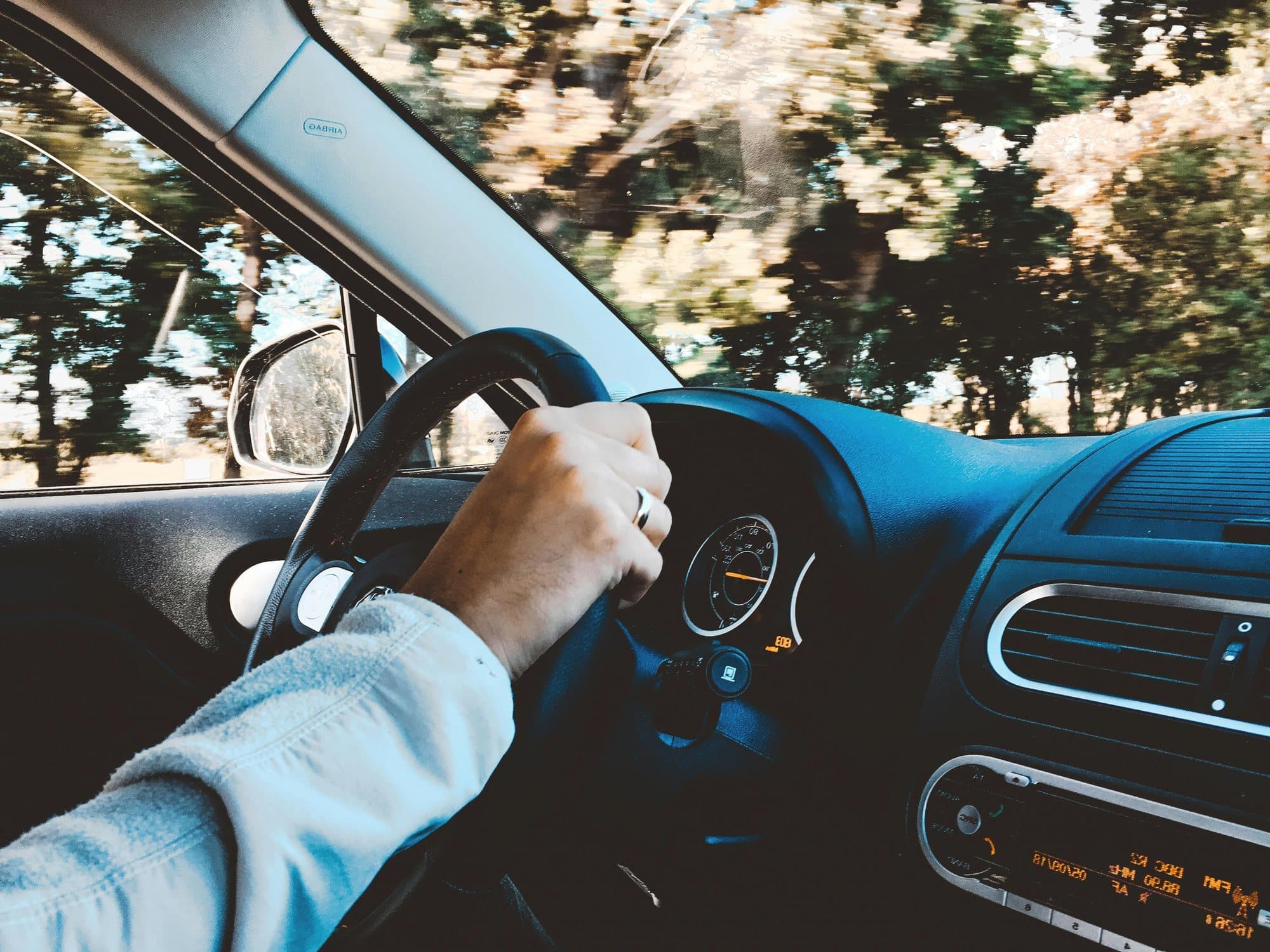
Segment two
Two hours of observation, on real roads, in normal conditions.
The system
Every hazard, in the same order, every time.
Roadcraft is the system of car control used by the Garda Driving School and the emergency services. It is applied to every hazard, in the same order, every time.
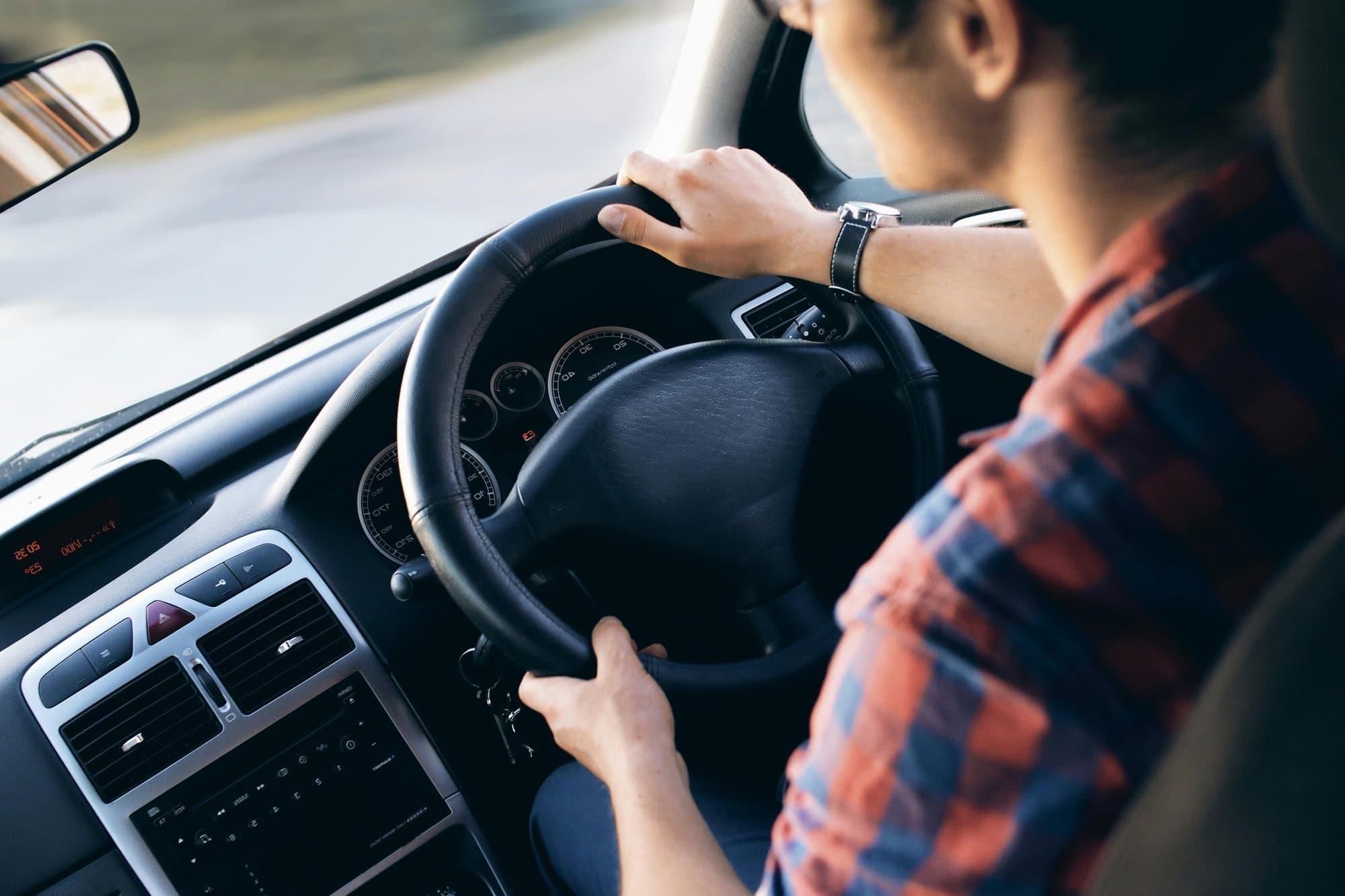
Assessed in their own company vehicle, on real roads
- Phase 1 of 5
Information
Taken, used and given — running through every other phase.
- Phase 2 of 5
Position
Positioned for safety, visibility and stability.
- Phase 3 of 5
Speed
Adjusted to suit the hazard before reaching it.
- Phase 4 of 5
Gear
Selected for that speed, once the braking is done.
- Phase 5 of 5
Acceleration
Away smoothly and safely once the hazard is clear.
Assessed and coached on the day
- Observation
- Anticipation
- Hazard identification
- Reaction
- Road surfaces
- Town driving
- Steering technique
- Skid causes
Practicalities
The programme comes to the depot.
The programme comes to the depot. Nothing clinical needs to be arranged by the company.
Provided by Drivewise
- InBody body composition analyser
- VALD testing equipment
- Health coach and exercise professionals
- Advanced driving instructors
- The training venue, arranged by us
Provided by the company
- The drivers’ own company vehicles
- Confirmed rosters and participation slots
- A named coordinator for scheduling
Further options
- Bloods, ECG and drug & alcohol testing for at-risk groups
- Digital app — health tips, reminders and fatigue tracking between visits
What the company sees
Two kinds of data, treated differently
It is worth being clear about the line before we start — and it is the question fleet managers ask first.
What we report to you
- Driving assessment findings, by name — faults and agreed actions
- A driving risk profile for the group — low, medium and high
- A policy feedback report — where your own policy is unclear, impractical or not being followed
- Attendance, completion and training records
- Anonymised health trends, where Module Two is taken
What we never report
- Any individual’s health result — no readings, no diagnoses, no names
- Anything that could identify a driver within a small group
- We do not declare anyone fit or unfit to drive; that is a doctor’s call
Why
Driving performance is work performance — it is yours to see. Health information is special category data under GDPR. It belongs to the driver, and it is not ours to pass on.
If something urgent shows up
Any driver whose results need urgent attention is told on the day, directed to their GP, and that advice is recorded. Your own driver policy is what requires them to notify you.
After the day
What happens next
- 01
Confirm scope
A short session to agree driver numbers, locations and dates — and to set the cost per cohort against your own numbers.
- 02
Run a first cohort
A single day. Every driver assessed, coached and debriefed on the road, with a written report on their own drive.
- 03
Report and schedule
An anonymised summary within two weeks, then a plan on rolling out across the country and re-testing annually.
The ask
Three steps, and a first cohort can be in the diary.
- 01
Confirm scope
A short session to agree driver numbers, locations and dates — and to set the cost per cohort against your own numbers.
- 02
Run a first cohort
A single day. Every driver assessed, coached and debriefed on the road, with a written report on their own drive.
- 03
Report and schedule
An anonymised summary within two weeks, then a plan on rolling out across the country and re-testing annually.
Every cohort we have assessed has surfaced faults the drivers did not know they had. On this evidence, your drivers are carrying the same habits today — the only question is whether anyone has looked.